
Data over guesswork: Google and Schema.org launch new global dataset
Within technical SEO, the prioritisation of structured data has long been a subject of debate. How much time and how many development hours should you realistically invest in implementing specific Schema types? The answer has often been based on gut feelings, online generators or secondary articles.
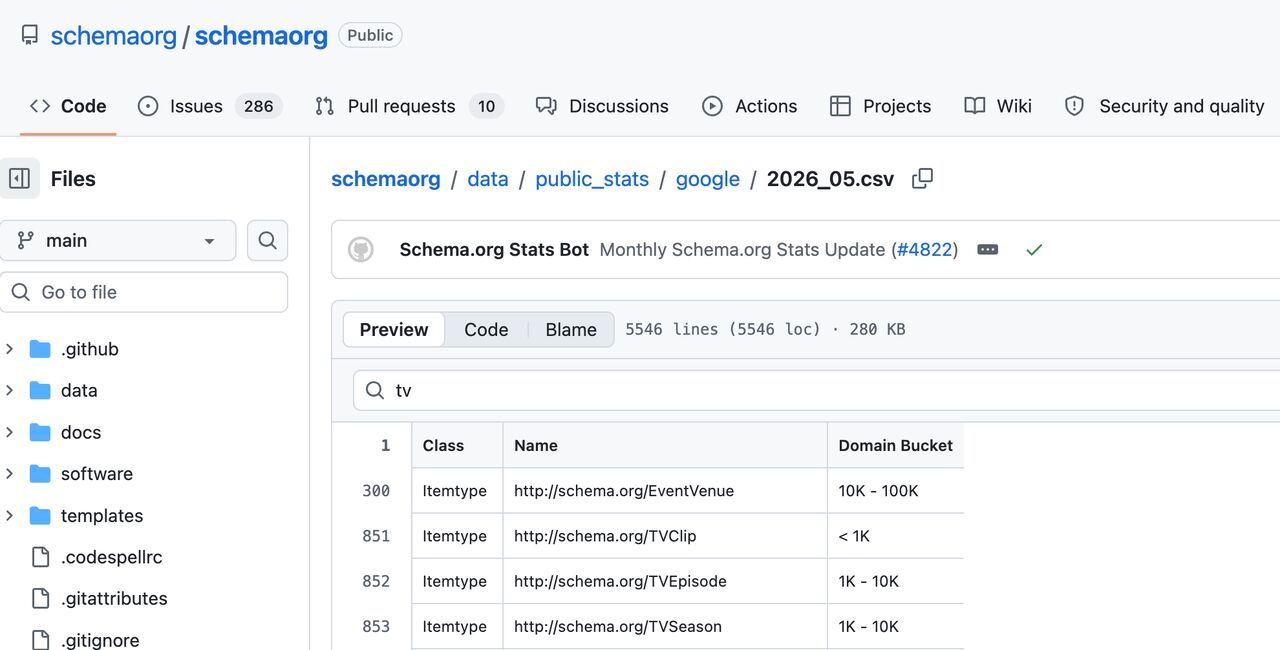
That is now changing with a new joint initiative from Google and Schema.org. With the launch of the official "Usage Statistics Dataset", full transparency has been created around the adoption of structured data on a global scale.
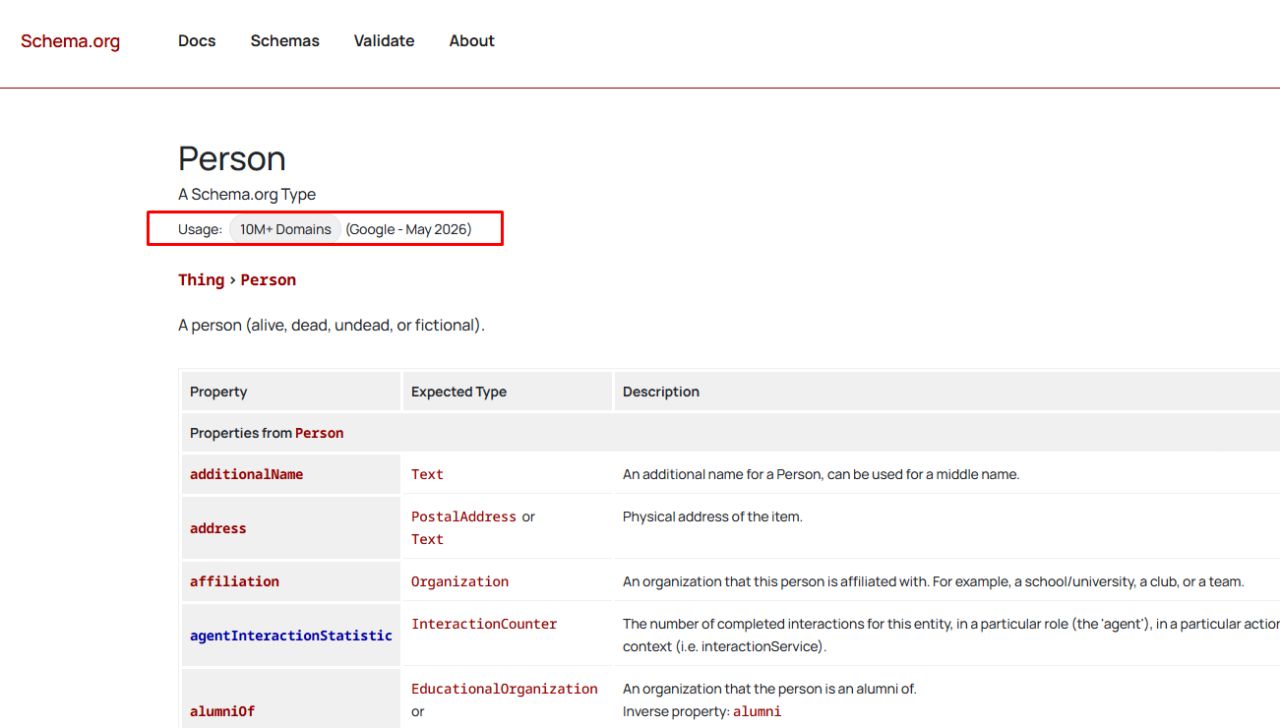
It is now possible to see the exact scope of how many millions of domains are using specific properties and classes from the Schema library. This gives SEO specialists and marketing managers a data-driven foundation for prioritising their technical efforts.
From nerdy addition to strategic tool
At first glance, monthly CSV files on GitHub may look like a minor technical update. However, the value for businesses and brands is significant. The dataset is updated monthly directly by Google, making it possible to track real-world adoption and identify which Schema types are gaining ground across the web.
When developing a technical SEO strategy, the key is effective resource allocation. With access to actual adoption figures, you can filter out irrelevant markups and focus exclusively on the fields that the market — and search engines — validate as standards.
This shifts the conversation from guesswork to decisions based on raw domain data.
Schema in the age of AI search engines
The value of structured data today extends far beyond traditional rich snippets on Google. Structured data acts as a direct bridge to the language models and AI agents that are increasingly answering users' queries.
If your business invests heavily in Schema markup, it is now especially relevant to look towards Microsoft Copilot and Bing traffic. Both platforms actively use Schema structured data to crawl, understand and present complex information directly within generative search results.
Schema alone is not enough, but it is the indispensable semantic layer that ensures your brand and products are correctly understood by the search technologies of the future.
Want to dive into the numbers?
The dataset is freely available, so you can check the prevalence of the specific properties your own site uses.
Find the official sources, the blog post and the full dataset here:
Official dataset on GitHub: Google Public Stats via Schema.org
Documentation: Schema.org Usage Stats
The announcement: Schema.org Official Blog Announcement


